


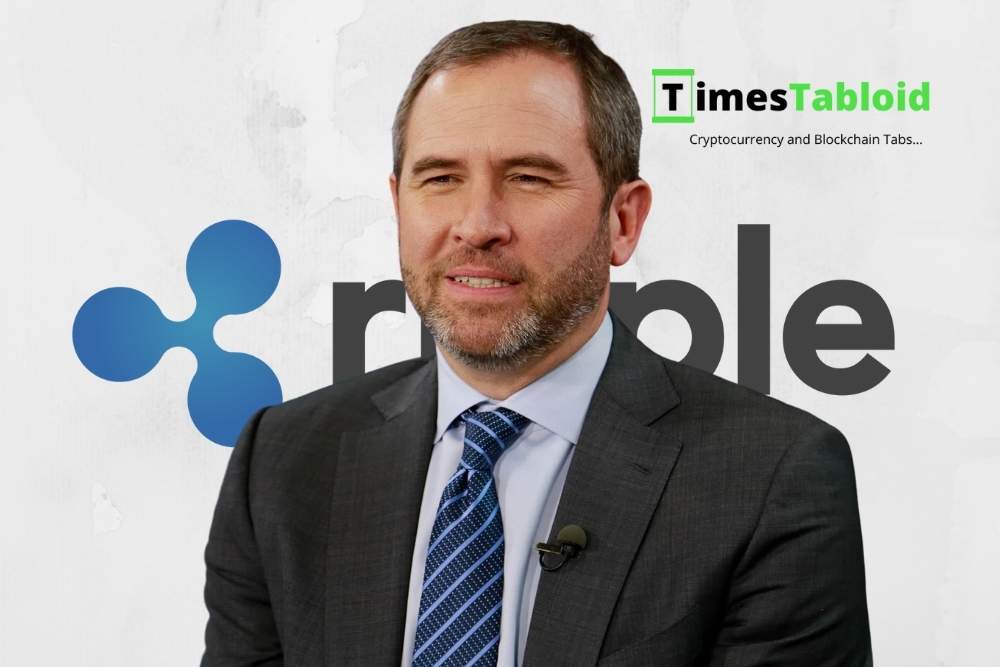
Crypto proponent Amelie (@_Crypto_Barbie) recently reshared comments by Ripple CEO Brad Garlinghouse in 2025 before the regulatory picture for XRP changed significantly. At the time, the SEC and CFTC had just issued a joint statement signaling closer cooperation on crypto oversight.
Since then, those agencies went further, jointly issuing an interpretive release in March that formally classifies XRP as a digital commodity. But Garlinghouse’s broader argument, that regulatory guidance is not enough without legislation behind it, has aged well.
💥 HUGE: RIPPLE CEO BRAD GARLINGHOUSE SAYS ABOUT THE CLARITY ACT:
„WHEN PEOPLE ARE AT THEIR PEAK FRUSTRATION,THAT‘S WHEN THEY FIND A COMPROMISE AND IT GETS DONE. I THINK WE‘RE THERE!“ 👀
NEXT WEEK COULD BE MASSIVE 🚀 pic.twitter.com/YQxKMrXAUN
— 𝓐𝓶𝓮𝓵𝓲𝓮 (@_Crypto_Barbie) July 19, 2026
The CEO’s Comments
In the video Amelie shared, Garlinghouse acknowledged the SEC-CFTC joint statement as “truly groundbreaking,” calling it an end to what he described as “an era of lawfare against this industry.” But he was direct about its limits. Without legislation, he argued, nothing is permanent. A future administration could install leadership hostile to crypto and reverse course without any congressional input.
He also connected the CLARITY Act to politics. Being anti-crypto, he said, “doesn’t get you any votes,” pointing to voter education efforts in recent election cycles as evidence that the industry has real political weight. His tone on the legislation was measured but still optimistic.
He acknowledged his confidence had tempered, but cited a belief shared by Washington insiders he trusts: “When people are at their peak frustration, that’s when they finally compromise, and it gets done.”
Why the CLARITY Act Is Stalled
That compromise has proven difficult to reach. The CLARITY Act sat on the Senate Legislative Calendar as July 4, 2026, passed with no floor vote scheduled. Disputes still block the Democratic votes required to clear the 60-vote filibuster threshold.
The central sticking point is an ethics provision. Trump’s 2025 financial disclosure showed approximately $1.4 billion in crypto-related income. Democrats have demanded enforceable conflict-of-interest language covering government officials’ crypto holdings.
We are on X, follow us to connect with us :- @TimesTabloid1
— TimesTabloid (@TimesTabloid1) June 15, 2025
Why Legislation Still Matters for XRP
This is the vulnerability Garlinghouse identified. The March 2026 interpretive release classifying XRP as a digital commodity is binding on both agencies, but it is not a statute. A future Commission can reinterpret it without asking Congress for anything.
The CLARITY Act would write those classifications into law and make them durable across administrations. For XRP, the stakes are clear. Commodity status opened institutional pathways, and legislation would lock them in. The window is closing, but the pressure to act has rarely been higher, and Amelie believes something big is coming next week.
Disclaimer: This content is meant to inform and should not be considered financial advice. The views expressed in this article may include the author’s personal opinions and do not represent Times Tabloid’s opinion. Readers are advised to conduct thorough research before making any investment decisions. Any action taken by the reader is strictly at their own risk. Times Tabloid is not responsible for any financial losses.
Follow us on X, Facebook, Telegram, and Google News

