

Blockchain networks reveal their true design under pressure. During periods of elevated activity, systems that normally appear stable begin to expose how they manage throughput, prioritize transactions, and maintain consensus. The XRP Ledger operates with a dynamic architecture that adjusts in real time to balance demand and network capacity, and recent activity has brought those mechanisms into sharper focus.
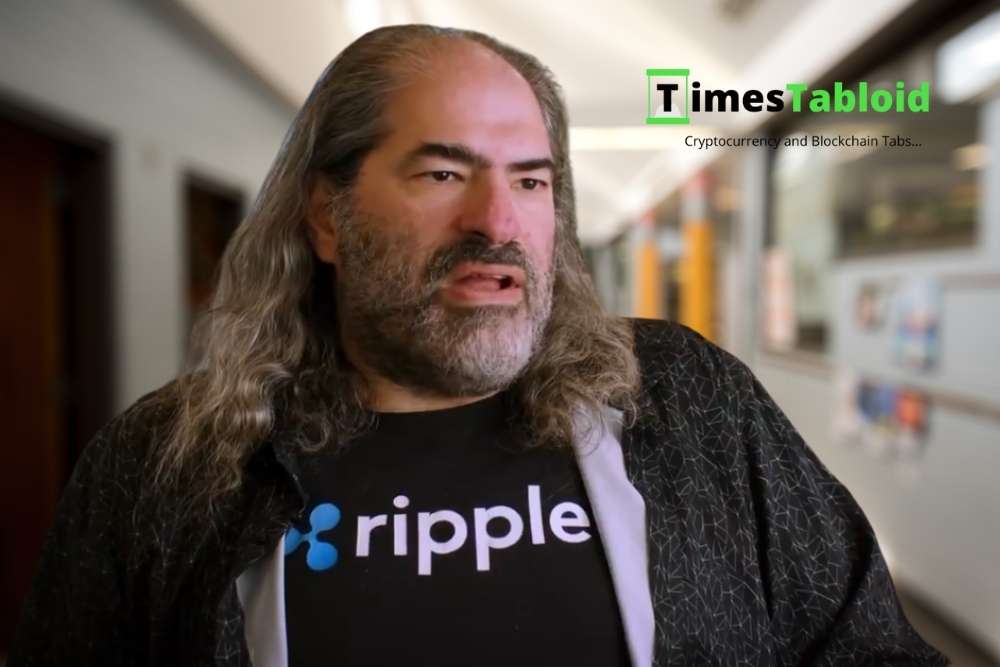
This discussion gained attention after former Ripple Chief Technology Officer David Schwartz responded to observations from XRPL validator Vet regarding rising transaction counts and fee behavior. Their exchange highlighted how network congestion, validator coordination, and throughput limits interact to influence transaction costs on the XRP Ledger.
Rising Activity Near Historical Throughput Levels
XRPL has recently approached activity levels near 200 transactions per ledger, a threshold rarely sustained in its operational history. Vet noted this increase while observing network conditions that reflected heavier-than-usual usage across applications and users.
As transaction volume rises, the network experiences higher load across nodes. This increased demand can lead to longer processing times and elevated fees, particularly when more users attempt to submit transactions simultaneously. These conditions often trigger discussions about scalability and efficiency within the ecosystem.
Dynamic Fee Adjustment Under Demand Pressure
David Schwartz explained that XRP Ledger fees respond directly to network demand. When transaction requests exceed the network’s ability to process them comfortably, the system increases fees to regulate throughput.
Schwartz clarified that even a small excess in demand above the network’s capacity can trigger noticeable fee escalation. If the network can process approximately 200 transactions per second, fees adjust to a level where only that number of transactions—or fewer—remain willing to pay. This mechanism ensures that the network maintains operational stability without exceeding its processing limits.
In theory, if demand continues to rise without a sufficient supply of transaction capacity, fees can increase significantly until equilibrium is reached between demand and throughput.
Validator Consensus and Clearing Rates
Schwartz also emphasized that validators collectively determine the network’s clearing rate. The XRP Ledger does not rely on a central authority to set transaction speed. Instead, validators coordinate through consensus to agree on how many transactions the network can process at any given time.
He explained that the network requires at least a majority of validators to reach agreement, with some configurations requiring up to roughly 80% consensus, depending on the negative Unique Node List (UNL) setup. This consensus model ensures that no single validator can unilaterally influence network performance.
We are on X, follow us to connect with us :- @TimesTabloid1
— TimesTabloid (@TimesTabloid1) June 15, 2025
The system also avoids extremes. It does not operate at the pace of the fastest validator nor slow down to match the slowest. Instead, it balances performance across the validator set to maintain consistency and reliability.
Infrastructure Limits and Network Stability
Schwartz noted that validator infrastructure plays a critical role in overall network performance. If a server operates near its maximum capacity under normal conditions, a sudden increase in transaction volume can cause it to fall behind.
When consensus rounds extend—sometimes reaching durations around 12 seconds—validators may adjust their transaction targets and modify the fee curve. These adjustments help stabilize the network and prevent overload during periods of high demand.
Balancing Throughput, Fees, and Reliability
The XRP Ledger’s fee mechanism reflects a careful balance between scalability and stability. If fees escalate too early, the network may unnecessarily restrict throughput. If they activate too late, the system risks congestion and degraded performance across nodes.
Schwartz’s explanation highlights how the XRP Ledger continuously adapts to changing conditions. Through validator consensus, dynamic fee adjustments, and infrastructure constraints, the network maintains equilibrium even as demand fluctuates.
As activity on XRPL continues to evolve, understanding these mechanisms provides important context for interpreting fee spikes and network behavior.
Disclaimer: This content is meant to inform and should not be considered financial advice. The views expressed in this article may include the author’s personal opinions and do not represent Times Tabloid’s opinion. Readers are urged to do in-depth research before making any investment decisions. Any action taken by the reader is strictly at their own risk. Times Tabloid is not responsible for any financial losses.
Follow us on Twitter, Facebook, Telegram, and Google News

