
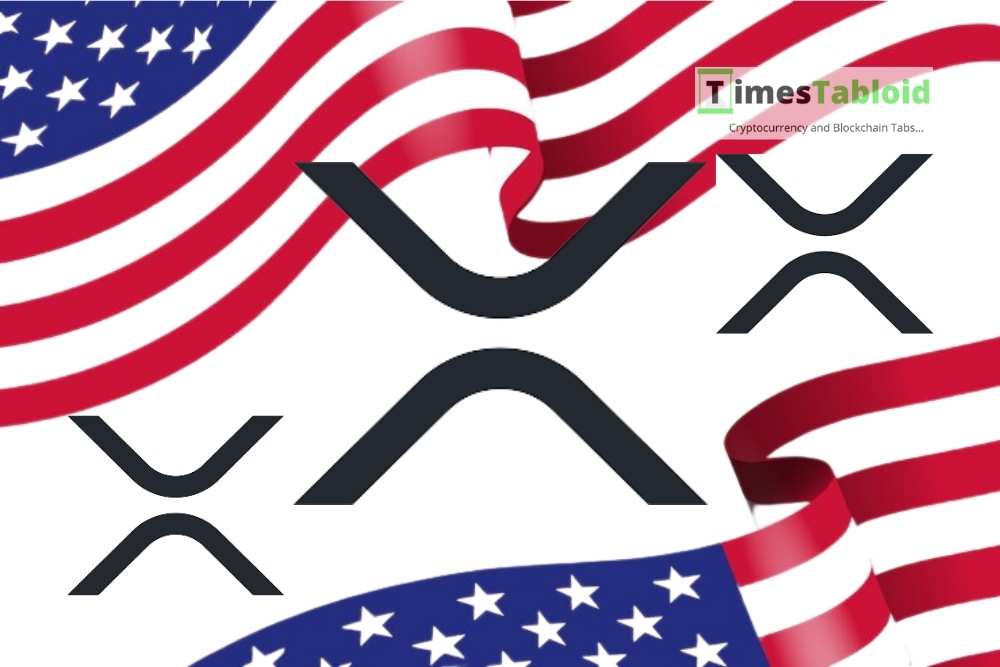
With more investors choosing to hold their own digital assets, questions about government authority over cold wallets have become increasingly common.
Addressing the issue in a clip, investor and Web3 expert Jake Claver explained whether the U.S. government can freeze XRP stored in self-custody. His explanation focused on the distinction between identifying wallet ownership and actually gaining control of the assets inside it.
Claver explained that authorities can trace a blockchain address to a specific individual under certain circumstances, allowing them to monitor activity connected to that wallet. However, he emphasized that this does not mean the government can freeze XRP held in a self-custodied wallet.
Visibility Does Not Mean Control
During the discussion, Claver explained that blockchain transactions are publicly visible, making it possible for investigators to identify wallets connected to a person if sufficient evidence exists. If funds from an address have already been linked to an individual, authorities can view that activity and associate it with the wallet owner.
He stressed, however, that this visibility should not be confused with the ability to seize or freeze the XRP itself. Claver said the XRP Ledger includes mechanisms that allow participants to reject transactions from certain parties with blacklisting features. However, these functions do not enable anyone to take XRP from another person’s wallet without authorization.
He noted that authorities could potentially obtain private keys in some situations, which would allow them to reconstruct access to a wallet and transfer the funds. In his view, the outcome depends heavily on how the wallet is designed and where the keys are stored.
Custody Models Can Affect Security
Claver compared several custody approaches while discussing the security of digital assets. He described Anchorage’s multi-signature custody model as one that uses algorithmically generated keys and segregated accounts, adding that multiple parties must approve any movement of funds. He presented this structure as an additional layer of protection because no single party possesses complete control over the assets.
He also discussed Tangem cards, suggesting they may present different considerations because of their NFC-based design. In comparison, he indicated that traditional hardware wallets such as Ledger have various security characteristics. Claver further mentioned that custody providers operating within the United States may face greater legal exposure than those based in foreign jurisdictions.
We are on X, follow us to connect with us :- @TimesTabloid1
— TimesTabloid (@TimesTabloid1) June 15, 2025
Additional Safeguards for Those Seeking More Protection
Claver concluded by saying that most XRP holders should not be overly concerned if they are operating within the law, paying taxes, and not engaging in fraudulent activity. He suggested that individuals with heightened concerns could add extra layers of protection by using institutional multi-signature custody arrangements or trust structures involving signatories in jurisdictions outside U.S. authority, such as the Cook Islands.
Even so, Claver maintained that these measures are generally unnecessary for the average investor. His central message was that law-abiding XRP holders are unlikely to encounter such issues, as robust custody structures remain available to those who want additional safeguards for their digital assets.
Disclaimer: This content is meant to inform and should not be considered financial advice. The views expressed in this article may include the author’s personal opinions and do not represent Times Tabloid’s opinion. Readers are advised to conduct thorough research before making any investment decisions. Any action taken by the reader is strictly at their own risk. Times Tabloid is not responsible for any financial losses.
Follow us on X, Facebook, Telegram, and Google News

