
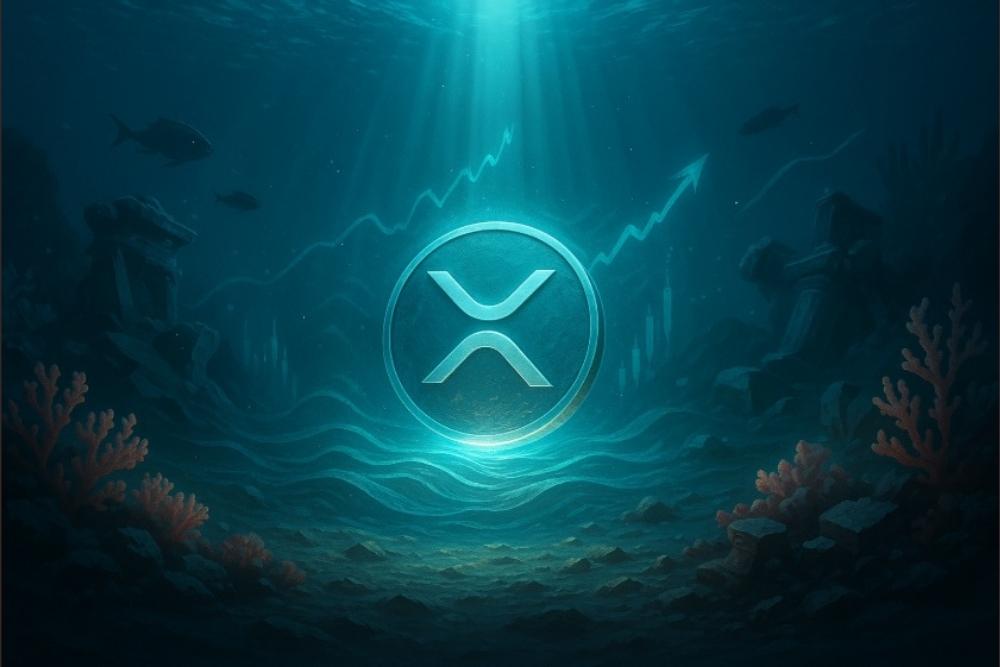
The structure for corporate adoption of XRP already exists inside enterprise finance systems. A new post from crypto commentator X Finance Bull explains how Ripple’s treasury architecture connects corporate software, banking rails, and digital assets through a single operational layer.
The system does not require companies to change how they run their internal finance departments. It connects directly to the tools they already use.
This architecture places XRP inside a corporate payments environment measured in trillions of dollars. The post states there is “$13 trillion in corporate payments” connected to this structure. That figure reflects the scale of treasury operations that could use XRP.
🚨🚨🚨IF YOU HOLD $XRP READ EVERY WORD OF THIS!
$13 trillion in corporate payments. AI-managed treasury. $XRP as the settlement engine underneath all of it. @RealGrapedrop mapped the full Ripple architecture and it answers every question about how adoption actually happens.… https://t.co/LLzkg8WL6J pic.twitter.com/dp59nHlygG
— X Finance Bull (@Xfinancebull) April 4, 2026
Enterprise Software Connects Directly to Ripple
The core idea centers on integration. Corporations use ERP systems such as SAP and Oracle for accounts payable, accounts receivable, and general ledger management. Ripple Treasury connects to those systems through a single API layer called ClearConnect. That same connection links companies to banks, SWIFT messaging, and Ripple’s digital asset services.
This structure gives companies a choice between traditional rails and digital rails without changing internal workflows. Traditional transfers can take days. Digital settlement through the XRP Ledger takes seconds. Companies will choose the faster and cheaper route because the system enables it within their existing software environment.
XRP and RLUSD Work Together in Settlement
The architecture separates settlement functions. RLUSD handles the dollar side of transactions. XRP handles settlement and liquidity movement across the network. When a company selects digital rails, XRP completes the settlement process while RLUSD represents the dollar value.
This structure routes transaction volume through the XRP Ledger. In simple terms, XRP acts as the settlement engine within the system, while RLUSD acts as the stable dollar instrument. They complement each other and allow instant settlement with a fiat value attached.
We are on X, follow us to connect with us :- @TimesTabloid1
— TimesTabloid (@TimesTabloid1) June 15, 2025
AI Treasury Layer and Institutional Connectivity
Another key part of the system is the AI layer referred to as GSmart. It manages forecasting, liquidity modeling, and payment routing. Autonomous agents select the fastest and cheapest rail for each transaction. When digital rails are selected, XRP handles settlement while RLUSD represents the dollar value.
The architecture also connects major institutions, including Deutsche Bank, BNY Mellon, BBVA, DBS, and Société Générale, along with SBI Holdings and Wormhole. This network combines AI treasury management, banking access, custody, and digital asset settlement in an environment built for corporate payments.
Grape, an XRP Ledger validator, mapped this full structure. The architecture shows how enterprise finance systems, banks, and digital asset rails connect into one operational environment. The result is a system in which XRP functions as a settlement asset inside corporate finance flows.
Disclaimer: This content is meant to inform and should not be considered financial advice. The views expressed in this article may include the author’s personal opinions and do not represent Times Tabloid’s opinion. Readers are advised to conduct thorough research before making any investment decisions. Any action taken by the reader is strictly at their own risk. Times Tabloid is not responsible for any financial losses.
Follow us on X, Facebook, Telegram, and Google News

