


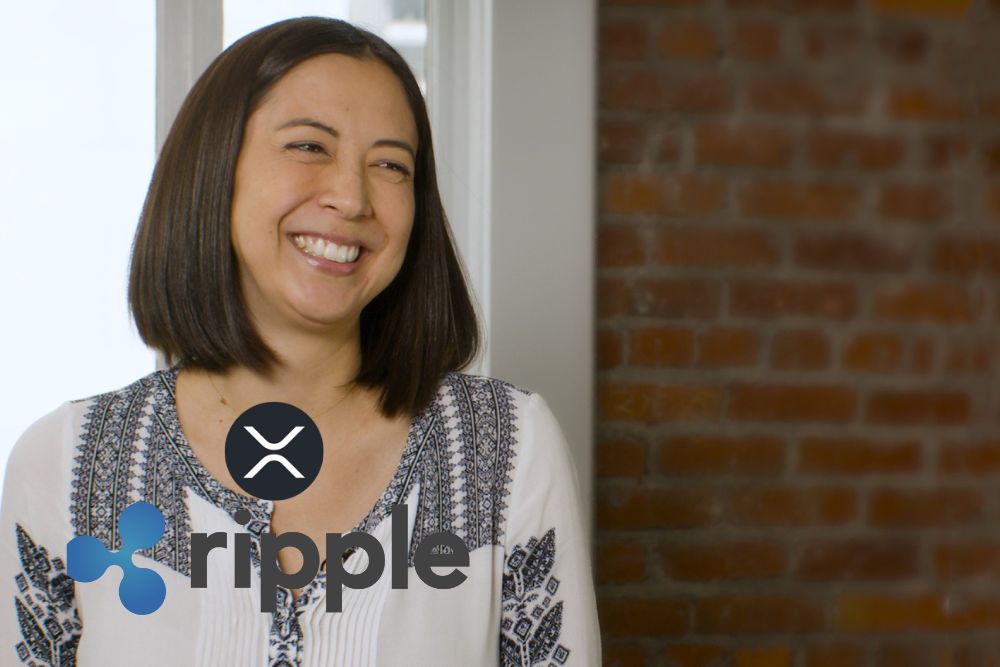
Ripple President Monica Long has responded to Ripple’s recent announcement of strategic investments in ZILO and Licuido. She believes that institutional capital markets have already crossed a turning point, moving from pilots to production and from issuing tokenized assets to actively using them. That is crucial for XRP enthusiasts to watch.
From Pilots to Production
Long described the past year as a turning point. “We’ve seen the veritable light switch flip,” she wrote, “from bank pilots to production, from issuing tokenized assets like money market funds and liquidity funds to using them.”
That shift is significant. Tokenized assets are moving from issuance into active use, with major projects like the DTCC’s tokenization pilot moving forward. This means the infrastructure supporting them must be production-grade, scalable, and fully regulated.
ZILO provides digital transfer agency technology for tokenized share classes. Licuido operates as an FCA-regulated platform for digital asset issuance, distribution, and collateral mobility. Both operate on the XRP Ledger. Long’s words confirm that these investments are not forward-looking bets. They are responses to institutional demand that already exists.
In the last year, we’ve seen the veritable light switch flip – from bank pilots to production, from issuing tokenized assets like money market funds and liquidity funds to using them! Institutional capital markets are moving in one direction — onchain 24/7. At Ripple, our goal… https://t.co/DPhbEBY3Dr
— Monica Long (@MonicaLongSF) August 4, 2026
Capital Markets Are Moving Onchain
Long stated that institutional capital markets are “moving in one direction, onchain 24/7.” That rules out any suggestion that the tokenization trend is experimental at the institutional level. The direction, according to the president of one of the most active companies in this space, is settled.
This has clear relevance for XRP. The XRP Ledger serves as the settlement layer for Ripple’s institutional infrastructure. Atomic settlement, collateral mobility, and delivery-versus-payment transactions all run through the XRPL. As more institutions move their capital markets activity onchain, the ledger processes more volume.
The Full Stack
Long also clarified Ripple’s stated objective. “Our goal remains to provide the full stack of digital asset infrastructure,” she wrote, “allowing institutional participants to take advantage of the entire lifecycle of a tokenized asset on the XRP Ledger.”
We are on X, follow us to connect with us :- @TimesTabloid1
— TimesTabloid (@TimesTabloid1) June 15, 2025
That lifecycle includes issuance, custody, distribution, collateral use, and atomic settlement. The investments in ZILO and Licuido fill two specific gaps in that stack. With those added, Ripple’s infrastructure covers more of the process from end to end.
What It Means for XRP
Long’s post shows confidence in a transition that is already underway. Institutions are no longer testing whether tokenized assets work. They are actively deploying them, and Ripple is building the infrastructure to support that deployment on the XRPL.
The XRP Ledger sits at the center of that activity, processing transactions, settling trades, and supporting collateral markets that operate around the clock.
Disclaimer: This content is meant to inform and should not be considered financial advice. The views expressed in this article may include the author’s personal opinions and do not represent Times Tabloid’s opinion. Readers are advised to conduct thorough research before making any investment decisions. Any action taken by the reader is strictly at their own risk. Times Tabloid is not responsible for any financial losses.
Follow us on X, Facebook, Telegram, and Google News

