

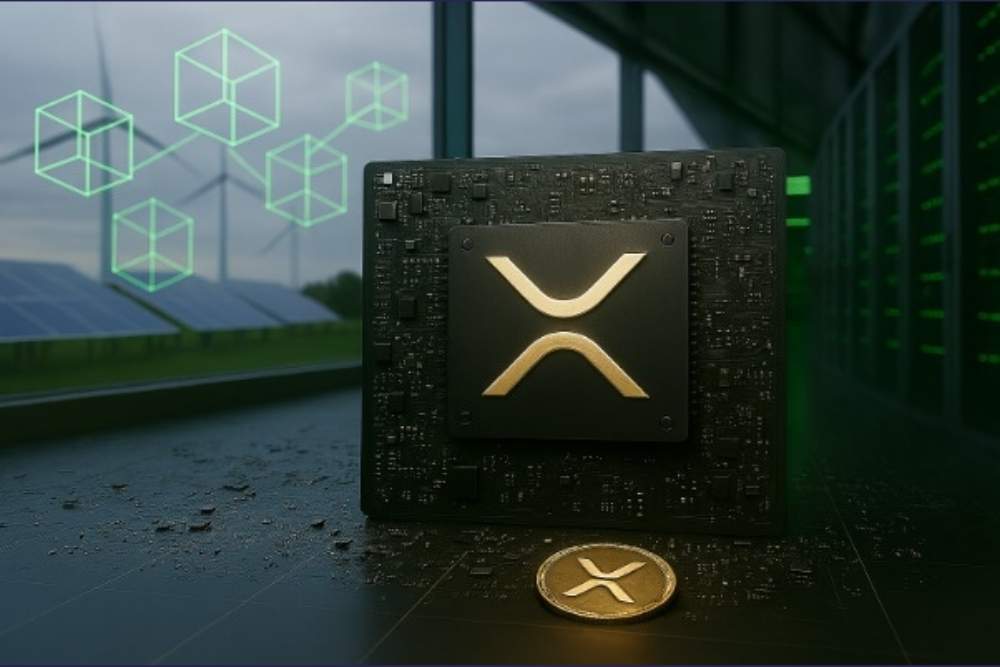
Flare Network has integrated FXRP, its 1:1 representation of XRP, as accepted collateral on Derive, a decentralized derivatives exchange. Blockchain researcher BankXRP announced the update, saying that “XRP Holders Can Now Trade Options Using Flare’s FXRP as Collateral.”
The move lets XRP holders trade on-chain options and perpetual futures directly from self-custody wallets. They no longer need to sell their XRP to access these markets. Until now, that capital had limited access to DeFi-style derivatives strategies, since the XRP Ledger lacks native smart contract support for this kind of trading.
XRP Holders Can Now Trade Options Using Flare’s FXRP as Collateral
— 𝗕𝗮𝗻𝗸XRP (@BankXRP) August 14, 2026
How the Integration Works
Users first bridge native XRP onto the Flare Network through Flare’s non-custodial FAssets bridge. This process mints FXRP, a token that mirrors XRP’s value on a 1:1 basis.
Holders then deposit the minted FXRP into a Derive Portfolio Margin V2 account. This account unlocks cross-margined trading products for the user. XRP options on Derive settle in USDC instead of XRP. Traders keep their FXRP posted as collateral while their profits and losses settle in stablecoin value.
Strategies Now Available to Traders
The integration opens several paths for XRP holders. Some will write covered calls or cash-secured puts against their FXRP to earn premiums. This generates steady income from assets that previously had fewer yield options. Others will buy protective put options to hedge against short-term price drops.
This lets them keep their long-term XRP position intact while managing risk. Traders seeking direct market exposure can also use perpetual futures. These contracts let them take long or short positions with custom leverage.
XRP’s Expanding Role in DeFi
The XRP Ledger lacks native support for complex smart contracts. This has limited how much XRP capital could participate in programmable finance beyond payments and liquidity. Flare’s FAssets system addresses that gap by bringing XRP into environments built for smart contract activity.
The Derive integration follows FXRP’s recent adoption across institutional lending protocols, including Morpho and Sentora’s RLUSD vault. As on-chain derivatives markets mature, tools like options tend to attract institutional and sophisticated retail capital. That pattern now extends to the Flare and XRP ecosystem.
We are on X, follow us to connect with us :- @TimesTabloid1
— TimesTabloid (@TimesTabloid1) June 15, 2025
Risks Traders Should Weigh
Options sellers and perpetual traders must maintain sufficient USDC margin. Failing to do so during periods of high volatility can trigger liquidation.
Using FXRP also carries protocol risk tied to the FAssets bridge and to Derive’s smart contract infrastructure. Because options settle in USDC, sellers need to hold both FXRP collateral and liquid USDC to meet settlement obligations. These requirements add a layer of capital management that XRP holders haven’t faced before.
The Derive integration marks a shift in how XRP functions within decentralized finance. Holders now have tools once reserved for more programmable assets, along with the operational responsibilities that come with them.
Disclaimer: This content is meant to inform and should not be considered financial advice. The views expressed in this article may include the author’s personal opinions and do not represent Times Tabloid’s opinion. Readers are advised to conduct thorough research before making any investment decisions. Any action taken by the reader is strictly at their own risk. Times Tabloid is not responsible for any financial losses.
Follow us on X, Facebook, Telegram, and Google News

