
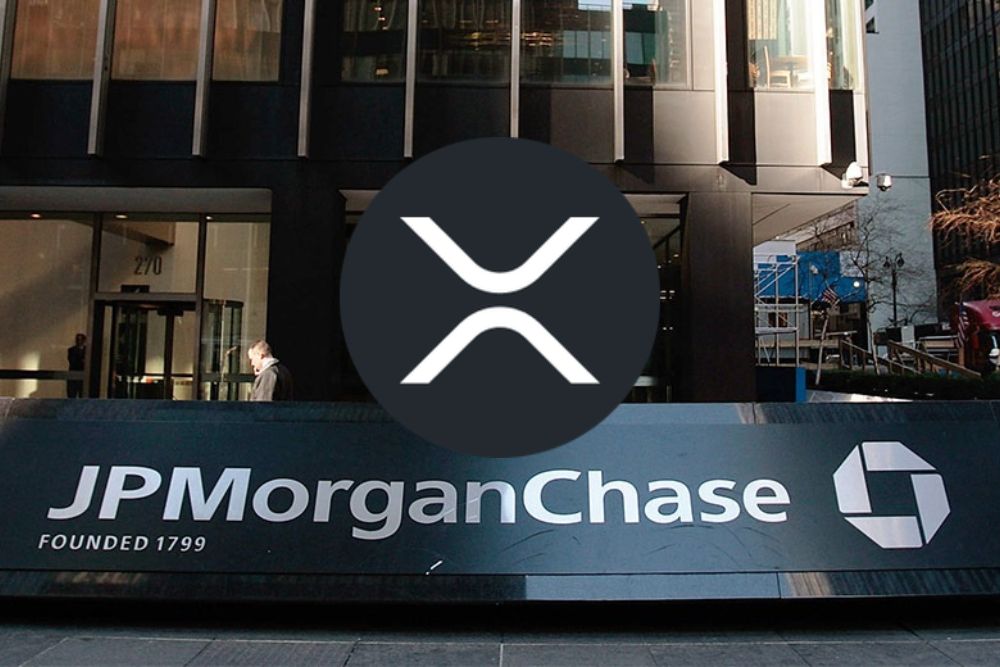
Crypto researcher SMQKE (@SMQKEDQG) posted a screenshot of Mastercard’s official announcement, tagging it an official XRPL-J.P. Morgan integration.
The post highlighted something the financial world has spent years debating: whether a public blockchain could operate inside institutional settlement infrastructure. On May 6, 2026, it did.
Mastercard, Ondo Finance, Kinexys by J.P. Morgan, and Ripple completed the first near-real-time, cross-border, cross-bank redemption of a tokenized U.S. Treasury fund. The XRP Ledger processed the asset leg of the transaction. That detail sits at the center of everything.
And now we have an official XRPL-J.P Morgan integration.😏💨
This is a great reminder.🙇♂️ https://t.co/HTKuoTBlaK pic.twitter.com/UB9VxISSvo
— SMQKE (@SMQKEDQG) May 13, 2026
The Importance of the Transaction
Ripple redeemed a portion of its Ondo Short-Term U.S. Government Treasuries (OUSG) holdings directly on the XRP Ledger. Ondo processed the redemption and sent a fiat payout instruction through Mastercard’s Multi-Token Network.
That instruction reached Kinexys by J.P. Morgan, which debited Ondo’s Blockchain Deposit Account and settled U.S. dollars to Ripple’s bank account in Singapore.
The XRP Ledger completed its leg in under five seconds. The entire sequence ran outside traditional banking hours. Cross-border wire settlements typically take one to three business days, but this has brought significant change.
What It Means for XRP
The XRP Ledger served as the transport layer for a regulated, institutional-grade financial product. That is a structural role, not a peripheral one. The XRP Ledger enables real-time asset movement, and when paired with global banking infrastructure, this pilot shows how institutions can execute crypto-enabled cross-border transactions as a single, integrated flow.
XRP holders have watched years of legal proceedings, regulatory uncertainty, and institutional hesitation. This transaction moves past speculation. J.P. Morgan’s Kinexys settled a dollar payment triggered by an on-chain event on the XRP Ledger. The integration SMQKE highlighted is live and documented.
The Infrastructure Behind the Transaction
Each participant played a specific role. Ondo issued and managed the tokenized Treasury product. Mastercard’s Multi-Token Network routed settlement instructions between the on-chain and banking worlds. Kinexys handled the dollar-side execution through J.P. Morgan’s correspondent banking network. The XRP Ledger processed the asset movement.
This architecture replaces the manual processes that have defined cross-border settlement for decades. Mastercard stated the four firms are “laying the groundwork for 24/7 global markets that never close.” XRP has long been promoted as an alternative to legacy systems, and this pilot proves that it can play an important role in the future of global finance.
Disclaimer: This content is meant to inform and should not be considered financial advice. The views expressed in this article may include the author’s personal opinions and do not represent Times Tabloid’s opinion. Readers are advised to conduct thorough research before making any investment decisions. Any action taken by the reader is strictly at their own risk. Times Tabloid is not responsible for any financial losses.
Follow us on X, Facebook, Telegram, and Google News

