
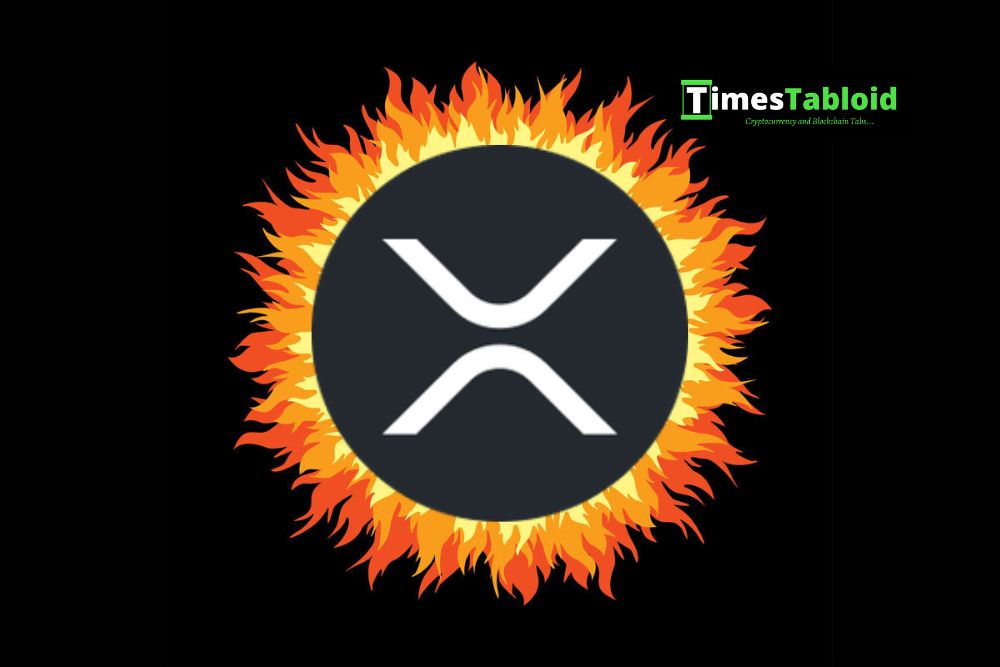
As activity on the XRP Ledger continues to expand, questions remain about how assets built on the network contribute to XRP’s utility.
Digital Asset Investor highlighted the issue in one of his recent tweets, explaining why XRP remains central to every transaction on the XRP Ledger, even when users interact with Ripple’s RLUSD stablecoin rather than XRP.
The post featured a short video in which the commentator shared remarks from Ripple’s Senior Vice President of Stablecoins, Jack McDonald, before emphasizing what he believes is an often-overlooked aspect of the network: every transaction on the XRP Ledger requires XRP, and every completed transaction permanently removes a small amount of XRP from circulation.
The XRP Burn
Watch The Full Youtube Video Here:https://t.co/diJZNb9GDd pic.twitter.com/IO7rUYNA71— Digital Asset Investor (@digitalassetbuy) August 2, 2026
XRP Powers Activity Across the XRP Ledger
The video opens with Digital Asset Investor saying that many people do not fully understand what happens whenever a token built on the XRP Ledger, such as RLUSD, is used. He then plays a clip of Jack McDonald explaining XRP’s role in the network.
According to McDonald, every time RLUSD is minted on the XRP Ledger, it creates additional network activity. He explained that every transaction on the XRP Ledger relies on XRP as the network’s native gas token. McDonald added that XRP provides the utility that allows the ledger to function, describing it as the component that makes the system work.
His comments reinforce the idea that XRP remains essential regardless of which asset users are transferring. Whether participants move XRP directly or transact with tokenized assets, every operation still depends on XRP to process the transaction.
RLUSD Growth Could Increase XRP Utility
By highlighting McDonald’s remarks, Digital Asset Investor suggested that growing adoption of RLUSD could also increase XRP’s utility. As more RLUSD is minted, transferred, and settled on the XRP Ledger, transaction volume rises, causing greater use of XRP as the network fee.
This means institutions and businesses using RLUSD for payments, settlements, or treasury operations are also generating activity that relies on XRP, even if they never hold the digital asset as a payment currency. The underlying infrastructure still requires XRP to validate and complete each transaction.
We are on X, follow us to connect with us :- @TimesTabloid1
— TimesTabloid (@TimesTabloid1) June 15, 2025
The XRP Burn Mechanism
Digital Asset Investor concluded the clip by pointing to another feature of the XRP Ledger that he believes deserves more attention. After McDonald’s explanation, he noted that XRP is burned with every transaction, adding that the network’s original 100 billion XRP supply decreases each time activity occurs on the ledger.
On the XRP Ledger, the base transaction fee is not paid to validators or redistributed to other participants. Instead, it is permanently destroyed. This mechanism was designed primarily to protect the network against spam and denial-of-service attacks by making it costly to flood the ledger with excessive transactions. During periods of unusually high network activity, transaction costs can increase dynamically, further strengthening that protection while also burning more XRP.
Although the amount destroyed in a single transaction is extremely small, Digital Asset Investor’s post explains that sustained growth in enterprise activity, stablecoin usage, tokenization, and other applications on the XRP Ledger could gradually reduce XRP’s total supply over time while reinforcing its role as the network’s native utility token.
Disclaimer: This content is meant to inform and should not be considered financial advice. The views expressed in this article may include the author’s personal opinions and do not represent Times Tabloid’s opinion. Readers are advised to conduct thorough research before making any investment decisions. Any action taken by the reader is strictly at their own risk. Times Tabloid is not responsible for any financial losses.
Follow us on X, Facebook, Telegram, and Google News

