
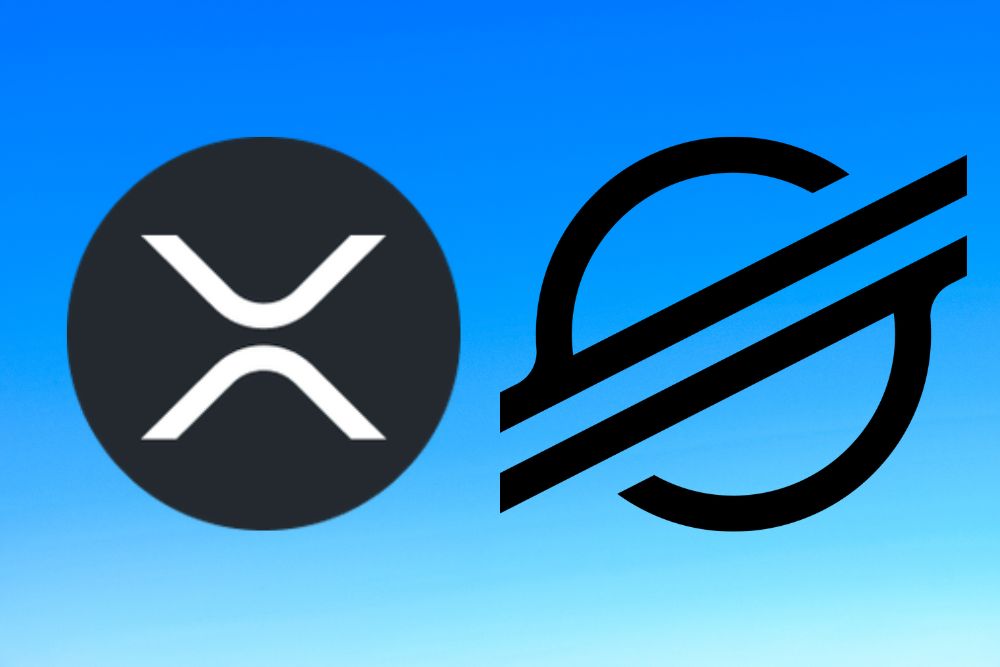
Versan Aljarrah, founder of Black Swan Capitalist and a long-time XRP advocate, has shared a concise view on how two major blockchain networks fit into the same financial system.
He wrote, “XRP and XLM solve different problems within the same system. One focuses on large-scale liquidity and settlement, the other on access and inclusion. Both are necessary for a functioning global financial network.”
The statement suggested design intent. It also hinted at how blockchain may integrate into existing financial rails rather than replace them overnight.
XRP and XLM solve different problems within the same system. One focuses on large-scale liquidity and settlement, the other on access and inclusion. Both are necessary for a functioning global financial network. pic.twitter.com/U2PX0mvyDp
— Black Swan Capitalist (@VersanAljarrah) December 18, 2025
XRP and the Institutional Core
XRP was designed for speed, liquidity, and scalable settlement. Its design targets financial institutions that move large volumes across borders. Banks, payment providers, and liquidity hubs need assets that settle in seconds, reduce capital lockups, and operate with high reliability. XRP addresses these needs directly.
The XRP Ledger processes transactions in seconds and at low cost. That matters in wholesale finance. Cross-border settlement still relies on slow messaging systems and pre-funded accounts. XRP offers an alternative that reduces friction while fitting into regulated environments.
This institutional focus explains why XRP discussions often center on liquidity corridors, settlement layers, and enterprise adoption. Many also believe it can take over SWIFT’s role and usher in a new era of improved cross-border payment systems.
XLM and Financial Access
Stellar focuses on a different layer of the same system. XLM targets access. Its network supports remittances, micro payments, and financial services for users who remain outside traditional banking. Speed and cost still matter, but inclusion drives the design choices.
The Stellar network works well for consumer-facing applications. It enables tokenized assets, simple wallets, and low-value transfers that make sense in emerging markets. Both assets complement each other and can work together in a two-tier global financial system.
We are on X, follow us to connect with us :- @TimesTabloid1
— TimesTabloid (@TimesTabloid1) June 15, 2025
One System, Two Functions
Aljarrah’s statement places both assets inside one financial architecture. XRP handles high-value settlement between institutions. XLM supports distribution and access at the user level. Together, they reflect how modern finance already operates.
Large banks clear and settle value through centralized systems. Retail users interact through payment apps and local rails. A global blockchain-based network needs both layers. XRP and XLM mirror that structure.
This alignment strengthens their positioning. It reduces overlap. It also increases the chance of coexistence rather than competition.
Disclaimer: This content is meant to inform and should not be considered financial advice. The views expressed in this article may include the author’s personal opinions and do not represent Times Tabloid’s opinion. Readers are advised to conduct thorough research before making any investment decisions. Any action taken by the reader is strictly at their own risk. Times Tabloid is not responsible for any financial losses.
Follow us on X, Facebook, Telegram, and Google News

