


Global payment infrastructure is entering a new phase as corporations seek faster settlement and better liquidity management. Treasury departments are now evaluating blockchain rails alongside traditional banking systems.
Crypto pundit CryptoSensei (@Crypt0Senseii) noted Ripple has already processed $13 trillion in payments. However, almost none of that volume has moved through stablecoins, even as global stablecoin volume reached $33 trillion.
That contrast shows where the market is heading next. Large companies are now looking at faster settlement, lower costs, and better liquidity tools. XRP sits in the middle of this transition as payment infrastructure evolves.
This shift is not theoretical. It is already happening inside corporate treasury departments. Finance leaders want speed, cost control, and visibility. Ripple is building systems that give them those choices.
🚨 Brad Garlinghouse is pointing to what comes next!@Ripple already processed $13T in payments, and almost none of that has flowed through stablecoins yet.
Meanwhile, stablecoin volume has already reached $33T globally.
Cross border payments are moving from slow and… pic.twitter.com/lYu8NWEaa0
— CryptoSensei (@Crypt0Senseii) March 27, 2026
Stablecoins Enter Treasury Operations
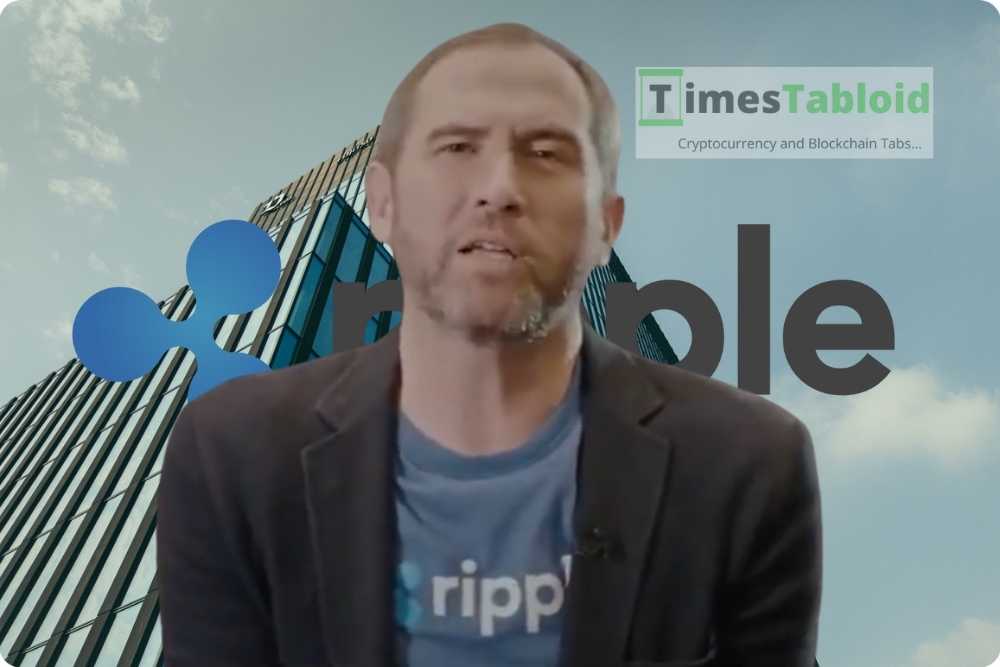
In the video shared by CryptoSensei, Ripple CEO Brad Garlinghouse explained that corporate leadership is now actively asking about stablecoins. He said boards and executives are asking treasury teams, “What are we doing with stablecoins?” That question shows a change in corporate finance strategy.
Garlinghouse also revealed the scale Ripple already operates at. He said Ripple Treasury, which was formerly GTreasury, orchestrated $13 trillion in payments last year, and “0% of those were through a stablecoin or crypto.” That is important because it shows the existing system already handles massive volume.
Adding stablecoins and blockchain rails on top of that system creates a major growth opportunity. Corporate treasurers want working systems that integrate into existing workflows. Ripple is positioning its XRP-powered technology to meet that demand.
Payment Choice Changes Treasury Strategy
Garlinghouse explained that Ripple is building payment options directly into treasury platforms. A treasurer sending a payment can choose between traditional rails or blockchain-based settlement. He explained the difference clearly. Traditional payments “take three to five days.” A blockchain-based payment “will be there in one minute.”
That time difference matters to CFOs. Faster settlement improves cash flow management. It reduces the need for idle capital sitting in foreign accounts.
When finance teams can move money in one minute, treasury strategy changes. Garlinghouse called this choice “the unlock” because it gives companies control over how they move money globally.
We are on X, follow us to connect with us :- @TimesTabloid1
— TimesTabloid (@TimesTabloid1) June 15, 2025
XRP at the Center of the Shift
Stablecoins are becoming the entry point for blockchain payments, but XRP plays a different role. Stablecoins represent fiat value on-chain. XRP provides liquidity and acts as a bridge between currencies. Together, they form a complete payment system.
Ripple’s network already processes large institutional flows. Adding stablecoin settlement and XRP liquidity enables companies to move money globally efficiently. This is why treasury teams are paying attention now.
Disclaimer: This content is meant to inform and should not be considered financial advice. The views expressed in this article may include the author’s personal opinions and do not represent Times Tabloid’s opinion. Readers are advised to conduct thorough research before making any investment decisions. Any action taken by the reader is strictly at their own risk. Times Tabloid is not responsible for any financial losses.
Follow us on X, Facebook, Telegram, and Google News

