

For years, XRP has been one of the most scrutinized digital assets in the crypto market. Questions around price control, insider advantages, and alleged manipulation have followed it through multiple market cycles.
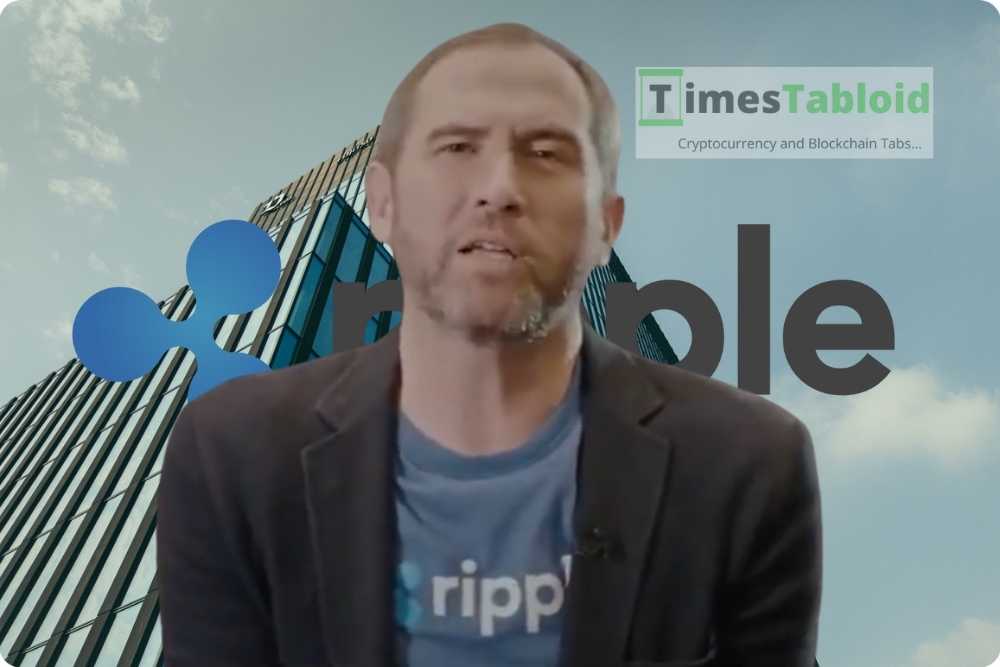
Yet, as regulatory clarity improves and institutional participation deepens, some of those narratives are increasingly colliding with verifiable facts. A resurfaced CNN interview featuring Ripple CEO Brad Garlinghouse has once again brought these issues to the forefront, offering direct answers to claims that have lingered for too long.
The renewed attention comes after crypto commentator John Squire shared a clip from the interview, highlighting Garlinghouse’s candid explanation of how XRP is sold, priced, and used by institutions. His remarks provide rare, on-the-record clarity on a topic often dominated by speculation rather than evidence.
XRP CANNOT BE MANIPULATED.
Brad Garlinghouse, CEO of Ripple, says there is nobody in a position to manipulate #XRP price. Transparent markets. Real UTILITY. Organic DEMAND.
The game is cleaner than they want you to believe. pic.twitter.com/78uNNs3JEq
— John Squire (@TheCryptoSquire) December 19, 2025
XRP Is Bought at Market, Not Assigned a Price
Addressing one of the most persistent questions, Garlinghouse made it clear that Ripple does not set XRP prices for financial institutions. Using MoneyGram as an example, he explained that XRP is purchased at prevailing market rates.
“So, let’s use MoneyGram as the example,” Garlinghouse said. “When MoneyGram is moving money from U.S. dollars to Mexican pesos, they’re buying at market. There’s no special sweetheart deal there.”
This statement directly contradicts claims that Ripple quietly sells XRP at discounted prices to favored partners. Instead, institutions sourcing XRP for payment flows face the same market conditions as any other participant, including volatility and liquidity constraints.
Lockups Are About Market Stability, Not Control
Garlinghouse also addressed another sensitive topic: institutional lockups. He acknowledged that in certain cases, large buyers may face restrictions on when and how much XRP they can sell back into the market.
“There are times when we work with institutional investors who might say, ‘Hey, we want to buy $10 million of XRP,’” he explained. “We would hypothetically have restrictions about what they could sell and how often.”
According to Garlinghouse, the purpose is to prevent market disruption. Ripple does not want “some other party buying a whole lot of XRP and dumping it on the market.” These restrictions are typically tied to overall market volume, a structure designed to protect liquidity rather than influence the direction of prices.
We are on X, follow us to connect with us :- @TimesTabloid1
— TimesTabloid (@TimesTabloid1) June 15, 2025
No Hidden Discounts, Just Standard Terms
When pressed further by the interviewer on whether institutions might get XRP cheaper in exchange for lockups, Garlinghouse confirmed the general framework without suggesting any price manipulation.
“That’s correct. That’s basically correct,” he said, reinforcing that any pricing considerations are paired with strict resale limitations.
Crucially, these arrangements resemble common practices in traditional finance, where large block purchases often come with contractual constraints to reduce systemic risk.
Transparent Markets and Organic Demand
Garlinghouse’s broader message was unmistakable. XRP trades in open, transparent markets where price discovery is driven by supply, demand, and real utility. With XRP now clearly treated as a digital commodity, its value increasingly reflects transaction usage, liquidity efficiency, and global settlement demand.
In markets of XRP’s size and depth, sustained manipulation would be immediately visible and structurally difficult. No single actor, including Ripple itself, can unilaterally control price movements.
A Narrative Under Pressure
The interview reinforces a reality many critics avoid. XRP’s pricing is not dictated behind closed doors. It is shaped in real time by market participants responding to utility, adoption, and liquidity. As John Squire’s resurfaced clip makes clear, the game surrounding XRP is far cleaner than skeptics often claim—and the facts are now on record.
Disclaimer: This content is meant to inform and should not be considered financial advice. The views expressed in this article may include the author’s personal opinions and do not represent Times Tabloid’s opinion. Readers are urged to do in-depth research before making any investment decisions. Any action taken by the reader is strictly at their own risk. Times Tabloid is not responsible for any financial losses.
Follow us on Twitter, Facebook, Telegram, and Google News

