


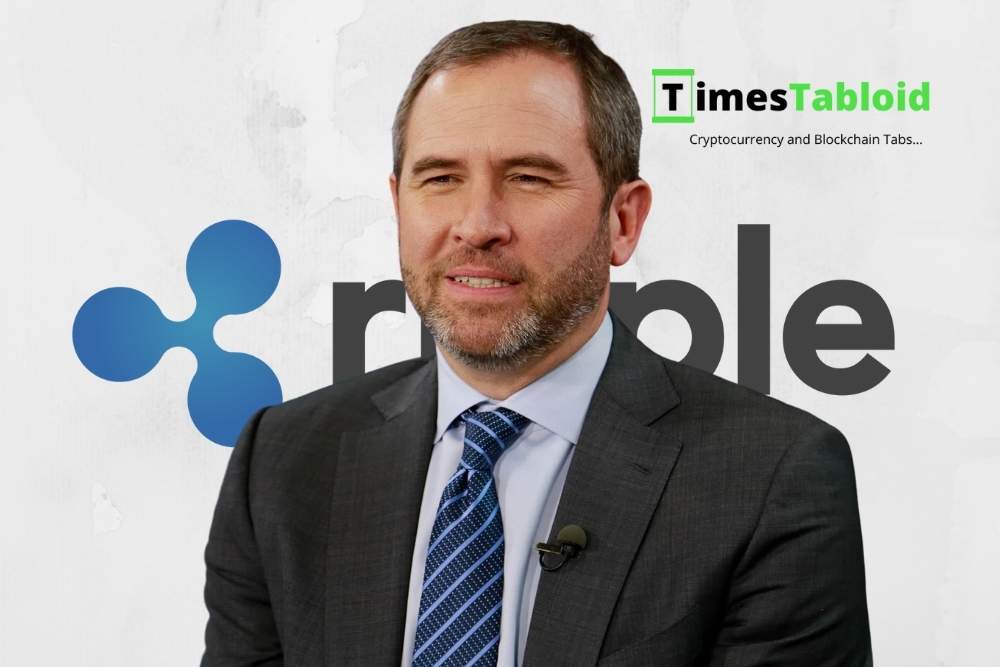
Brad Garlinghouse, CEO of Ripple, provided insight into XRP’s role in cross-border payments during a 2019 Economic Club of New York discussion.
He compared traditional SWIFT transactions with XRP transfers, a point highlighted by researcher SMQKE (@SMQKEDQF). According to Garlinghouse, the average SWIFT transaction takes 3 days. This adds up to 270,000 seconds.
He explained that during this period, fiat currencies are exposed to volatility. A SWIFT transaction requires hedging because someone must manage the currency risk for the settlement, which typically occurs two to three days later. This hedging process transfers risk but adds complexity and potential costs. In contrast, XRP transactions settle in seconds.
Garlinghouse noted, “With XRP, it’s happening so fast you don’t really need to hedge it because you’re in and out of it in a few seconds. And so we haven’t seen that be an issue.”
‼️BRAD GARLINGHOUSE: THERE IS LESS VOLATILITY RISK WITH XRP THAN THE AVERAGE SWIFT TRANSACTION‼️
“When you do a SWIFT transaction, the average transaction, let's just say is three days. That's 270,000 seconds, trust me I did the math on that. If you multiple 270,000 seconds in a… pic.twitter.com/ty9q1Eqre7
— SMQKE (@SMQKEDQG) April 4, 2026
Comparing Volatility Risks
Garlinghouse’s analysis challenges the perception that cryptocurrencies inherently carry higher volatility risks than fiat. He clarified that even though XRP can experience price fluctuations in seconds, the total exposure during a transaction is lower than in SWIFT transfers. Multiplying the duration of a SWIFT transaction by a low-volatility asset, the total risk can exceed that of a rapid XRP transfer.
This perspective reframes how volatility should be considered. Traditional finance assumes stability in fiat, but delays in settlement. XRP’s speed significantly reduces this window. The result is a lower effective volatility risk despite the asset’s higher momentary fluctuations.
Industry Applications and Adoption
XRP’s rapid settlement and minimized risk position it as an efficient alternative for financial institutions seeking reliable cross-border solutions. MoneyGram’s adoption illustrates this dynamic.
The company integrated XRP into its operations in 2019, and Garlinghouse referenced the transition, noting that initial skepticism transformed into operational confidence once the benefits became clear. XRP’s efficiency enabled MoneyGram to streamline cross-border transfers without additional risk management burdens.
We are on X, follow us to connect with us :- @TimesTabloid1
— TimesTabloid (@TimesTabloid1) June 15, 2025
The Future of Cross-Border Payments
XRP continues to demonstrate that volatility in digital assets does not automatically translate into risk for transactions. When compared with traditional SWIFT transfers, XRP’s settlement speed offers measurable advantages. Hedging needs decrease, operational efficiency increases, and exposure to currency fluctuations drops.
XRP offers financial institutions a way to complete transactions quickly while minimizing volatility risk. The combination of speed and efficiency positions it as a viable alternative to traditional settlement networks like SWIFT.
Disclaimer: This content is meant to inform and should not be considered financial advice. The views expressed in this article may include the author’s personal opinions and do not represent Times Tabloid’s opinion. Readers are advised to conduct thorough research before making any investment decisions. Any action taken by the reader is strictly at their own risk. Times Tabloid is not responsible for any financial losses.
Follow us on X, Facebook, Telegram, and Google News

