


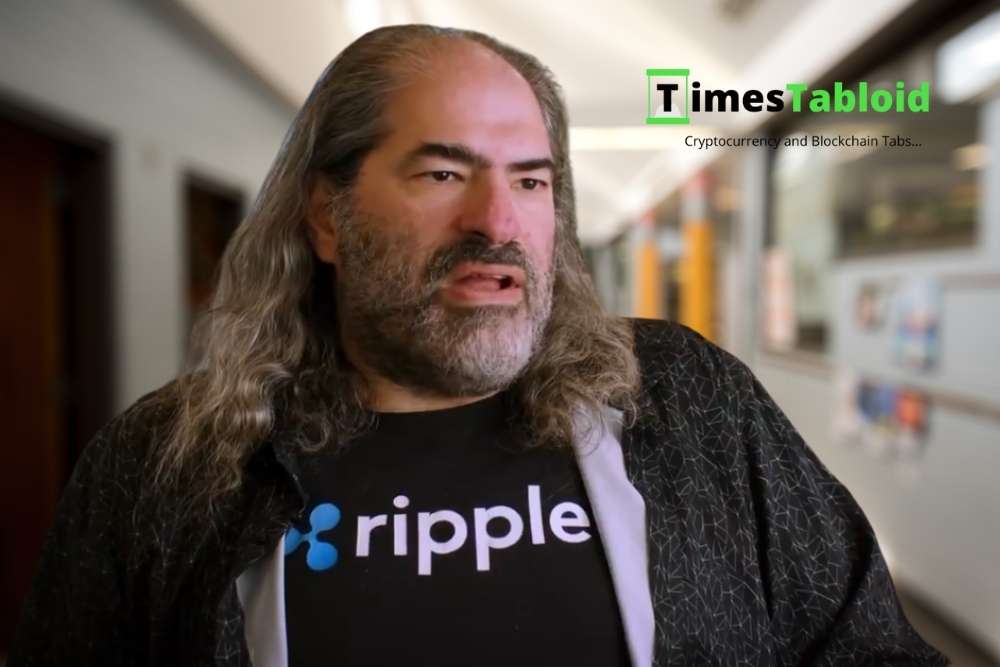
The debate surrounding XRP and the XRP Ledger (XRPL) has often been clouded by misinformation, half-truths, and confusion about Ripple’s role. But Ripple’s Chief Technology Officer, David Schwartz, recently stepped in to clear the air — setting the record straight on some of the most persistent myths about XRP.
His explanations, shared widely through community discussions and highlighted in a post by XRP Cro, shed new light on what the XRPL really is and how it operates.
The Origin of XRP: Born, Not Mined
One of the most common misconceptions about XRP is that it was “issued” by Ripple. Schwartz clarified that this is false. All XRP in existence was created at the inception of the XRP Ledger in 2012, not mined or minted over time like Bitcoin or Ethereum.
🧠 $XRP Myths Debunked by David Schwartz:
• XRP ledger is fast, energy-efficient and scalable
• Ripple doesn’t control XRP Ledger
• XRPL is public & decentralizedKnow the facts. ✅ pic.twitter.com/UcIKQB2EVi
— XRP_Cro 🔥 AI / Gaming / DePIN (@stedas) October 20, 2025
Unlike traditional blockchains that rely on competitive mining to release new coins, the XRPL was designed with a fixed supply of 100 billion XRP from day one.
This design choice ensures scarcity while avoiding the energy-intensive process of proof-of-work mining. XRP’s distribution, therefore, doesn’t depend on new issuance. Instead, tokens circulate among holders through transfers and utility-driven transactions, with no single entity having the power to create more.
Ripple’s Role: Participation, Not Control
Another major myth is that Ripple controls the XRP Ledger. Schwartz emphasized that Ripple, while being a significant contributor to the XRPL ecosystem, does not own or control the network. The XRPL runs on a decentralized network of validators operated by individuals, institutions, and developers worldwide.
Ripple does hold a portion of XRP and actively builds payment and liquidity solutions using the token, but it cannot alter transactions, freeze funds, or dictate changes to the ledger. The network’s consensus mechanism ensures that every validator, including those not affiliated with Ripple, must agree on transaction validity — a safeguard that maintains decentralization and independence.
We are on X, follow us to connect with us :- @TimesTabloid1
— TimesTabloid (@TimesTabloid1) June 15, 2025
Public, Open, and Accessible to All
Schwartz also reaffirmed that the XRP Ledger is fully public and permissionless. Anyone can download the code, run a node, or become a validator without needing approval from Ripple or any other authority. This transparency aligns with the founding principles of blockchain technology, ensuring that XRPL remains accessible to developers and institutions across the globe.
The XRPL’s consensus protocol further guarantees openness — transactions are verified collectively, not through a centralized gatekeeper. That structure makes the network resistant to censorship and highly resilient to single points of failure.
Efficiency and Scalability: The Technology Advantage
XRP’s infrastructure was purpose-built for fast and low-cost payments. Transactions on the XRPL settle in 3–5 seconds, with negligible fees and minimal energy usage. This efficiency makes it an appealing option for financial institutions looking to move value as seamlessly as the internet moves information.
Unlike proof-of-work networks that consume massive amounts of electricity, the XRPL’s consensus system is lightweight and sustainable — making it one of the most energy-efficient blockchain technologies in operation today.
Facts Over FUD
As Schwartz’s clarifications make clear, XRP is far from the centralized or energy-intensive system its critics claim it to be. It’s a decentralized, public, and highly efficient ledger designed for real-world payments and institutional use.
In the fast-moving world of crypto, separating fact from fiction is critical. Thanks to voices like David Schwartz and community advocates like XRP Cro, more investors are beginning to understand what truly sets the XRP Ledger apart — not myths, but measurable technology and open access.
Disclaimer: This content is meant to inform and should not be considered financial advice. The views expressed in this article may include the author’s personal opinions and do not represent Times Tabloid’s opinion. Readers are urged to do in-depth research before making any investment decisions. Any action taken by the reader is strictly at their own risk. Times Tabloid is not responsible for any financial losses.
Follow us on Twitter, Facebook, Telegram, and Google News

