


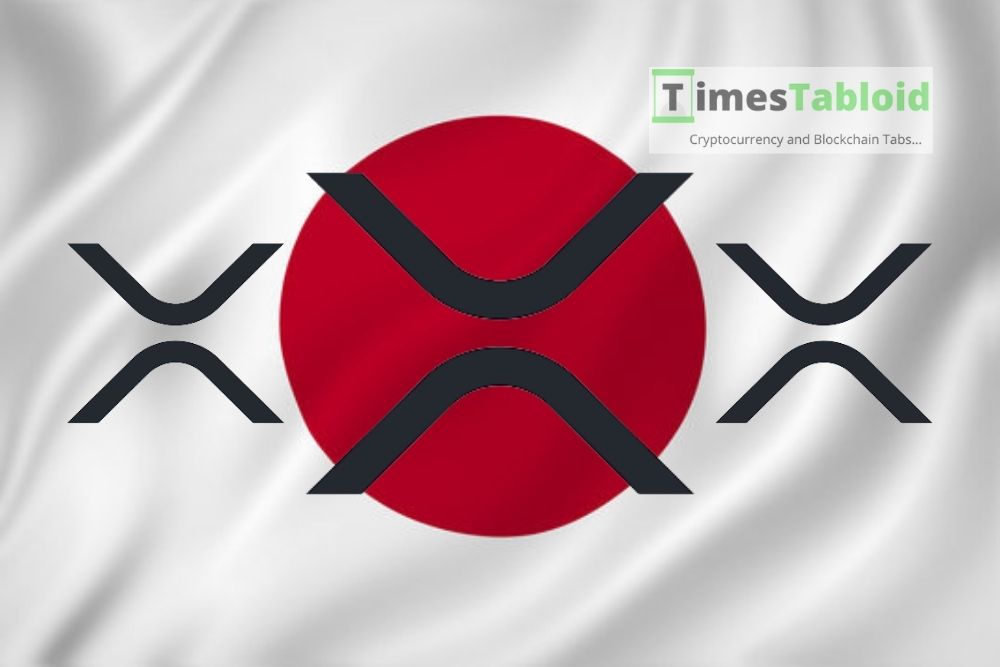
Global interest in XRP has intensified as investors shift their focus from short-term price swings toward real-world financial adoption. Across the digital-asset sector, institutional integration now shapes long-term valuation narratives more than speculative momentum. Japan, widely recognized for regulatory clarity and early fintech experimentation, has therefore moved to the center of renewed debate about XRP’s strategic future.
In a recent video shared on X, crypto commentator CryptoSensei described a sequence of potential developments that he believes could redefine XRP’s long-term outlook. His discussion links prospective banking integration in Japan with broader institutional settlement migration and possible macroeconomic liquidity stress that could accelerate blockchain adoption. He framed the scenario as a structural transformation rather than a short-lived market catalyst.
🚨JAPANESE BANKS FINALLY ADOPT #XRP?!?! (THIS CHANGES EVERYTHING) pic.twitter.com/4hkl0brEBo
— CryptoSensei (@Crypt0Senseii) February 16, 2026
Japan’s Role in Institutional Adoption
CryptoSensei emphasized projections suggesting that a significant portion of Japanese banks could incorporate XRP-related infrastructure during the next phase of digital-asset expansion. He argued that deep integration into payment and settlement systems would expand measurable utility and strengthen valuation support.
Japan’s historical engagement with XRP—through exchange liquidity, regulatory openness, and cross-border payment experimentation—adds credibility to why analysts closely monitor developments in the country.
However, nationwide banking deployment still depends on regulatory approval, commercial incentives, and proven efficiency gains. Financial institutions typically adopt new infrastructure only after rigorous compliance testing and cost-benefit validation. These constraints mean that optimism must coexist with practical verification.
Settlement Migration and Institutional Demand
CryptoSensei also outlined a second stage involving the migration of settlement infrastructure from prime brokerages and liquidity providers onto the XRP Ledger. He suggested that faster and lower-cost transaction rails could attract derivatives settlement and cross-border financial flows. Institutional usage of this scale would create demand dynamics fundamentally different from retail-driven market cycles.
Historical precedent supports the importance of infrastructure adoption in sustaining asset value. Durable price expansion in financial technology usually follows measurable utility rather than narrative enthusiasm. Still, institutional transitions often unfold slowly because firms must resolve interoperability, custody, and counterparty-risk considerations before committing capital.
We are on X, follow us to connect with us :- @TimesTabloid1
— TimesTabloid (@TimesTabloid1) June 15, 2025
Liquidity Stress as a Macro Catalyst
Looking further ahead, CryptoSensei explored a scenario in which global liquidity pressures accelerate the search for efficient settlement networks. Financial stress has repeatedly driven innovation in payment systems and capital mobility. He argued that XRP could benefit if institutions seek frictionless transaction layers during periods of constrained liquidity.
Yet macroeconomic forecasting remains uncertain. Regulatory coordination, geopolitical dynamics, and competing technologies will ultimately determine which infrastructures achieve systemic relevance.
Vision Versus Verification
CryptoSensei presented an ambitious pathway that moves XRP from a speculative trading asset toward embedded financial infrastructure. Each stage of that vision requires independently verifiable progress before markets can price it with confidence.
Japan’s evolving digital-asset landscape, therefore, remains a critical signal, and any confirmed banking integration would carry meaningful implications for XRP’s long-term trajectory.
Disclaimer: This content is meant to inform and should not be considered financial advice. The views expressed in this article may include the author’s personal opinions and do not represent Times Tabloid’s opinion. Readers are urged to do in-depth research before making any investment decisions. Any action taken by the reader is strictly at their own risk. Times Tabloid is not responsible for any financial losses.
Follow us on Twitter, Facebook, Telegram, and Google News

