

As digital asset markets mature, investors no longer focus solely on price movements. They now scrutinize treasury management, supply mechanics, and long-term capital strategy. For Ripple, which holds a significant portion of XRP in escrow, any discussion about token management immediately captures market attention.
A resurfaced executive comment has once again placed the spotlight on how the company could unlock value without disrupting supply dynamics.
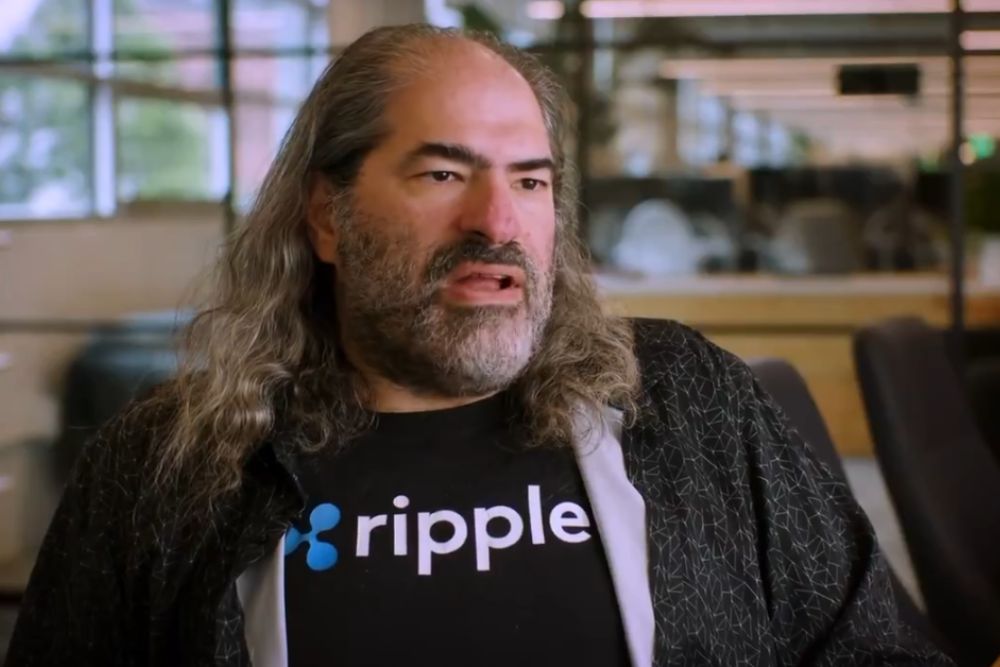
Crypto commentator John Squire recently drew attention to a 2025 statement from David Schwartz, former Chief Technology Officer of Ripple. In that statement, Schwartz suggested that Ripple could sell rights to future escrowed XRP allocations before their scheduled release dates.
Squire emphasized that the tokens would remain locked until their programmed unlocks, framing the idea as strategic positioning rather than market dumping.
🚨BREAKING: RIPPLE COULD MONETIZE FUTURE XRP 👀
David Schwartz says Ripple could sell rights to escrowed XRP before release. The tokens stay LOCKED until their scheduled unlock.
Translation?
Ripple could raise serious capital upfront while institutions secure future XRP off… pic.twitter.com/2p8LATknqS
— John Squire (@TheCryptoSquire) March 3, 2026
Ripple’s Escrow System Explained
Ripple established its escrow structure in 2017 by locking 55 billion XRP into time-based smart contracts on the XRP Ledger. The system releases up to one billion XRP monthly, while Ripple routinely returns unused portions back into escrow. This mechanism creates predictability and reduces concerns about sudden supply shocks.
Schwartz’s proposal does not alter that structure. The XRP would remain locked on-chain until its predetermined release dates. The company would only sell contractual rights to receive specific future tranches. That distinction matters because it preserves the integrity of the escrow timeline.
How Selling Future Rights Could Raise Capital
Under this strategy, Ripple could negotiate agreements with institutional buyers who want guaranteed access to future XRP allocations. Those buyers would pay upfront to secure rights to the tokens, but they would not gain control of the XRP until the scheduled unlock occurs.
We are on X, follow us to connect with us :- @TimesTabloid1
— TimesTabloid (@TimesTabloid1) June 15, 2025
This structure allows Ripple to raise capital immediately while preventing additional circulating supply in the present market. The approach resembles structured finance models in traditional markets, where companies monetize future receivables to improve liquidity today. Ripple would effectively convert future token releases into present operating capital without triggering exchange-based sell pressure.
Institutional Appeal and Market Stability
Institutions often prefer negotiated, off-market transactions to avoid slippage and volatility. By selling future rights directly, Ripple could offer pricing certainty and allocation transparency. The strategy could also reduce speculation around monthly escrow releases, since predetermined buyers would already hold contractual claims.
Most importantly, the proposal reinforces Ripple’s broader narrative that XRP’s value flows from utility in payments and liquidity solutions. The company would fund growth initiatives while respecting supply discipline. That balance strengthens confidence among long-term holders and institutional participants alike.
If Ripple ever implements this model, it would signal a sophisticated evolution in crypto treasury management. Instead of flooding the market, the company would position itself for structured growth—proving once again that utility, not short-term dumping, drives sustainable value.
Disclaimer: This content is meant to inform and should not be considered financial advice. The views expressed in this article may include the author’s personal opinions and do not represent Times Tabloid’s opinion. Readers are urged to do in-depth research before making any investment decisions. Any action taken by the reader is strictly at their own risk. Times Tabloid is not responsible for any financial losses.
Follow us on Twitter, Facebook, Telegram, and Google News

