

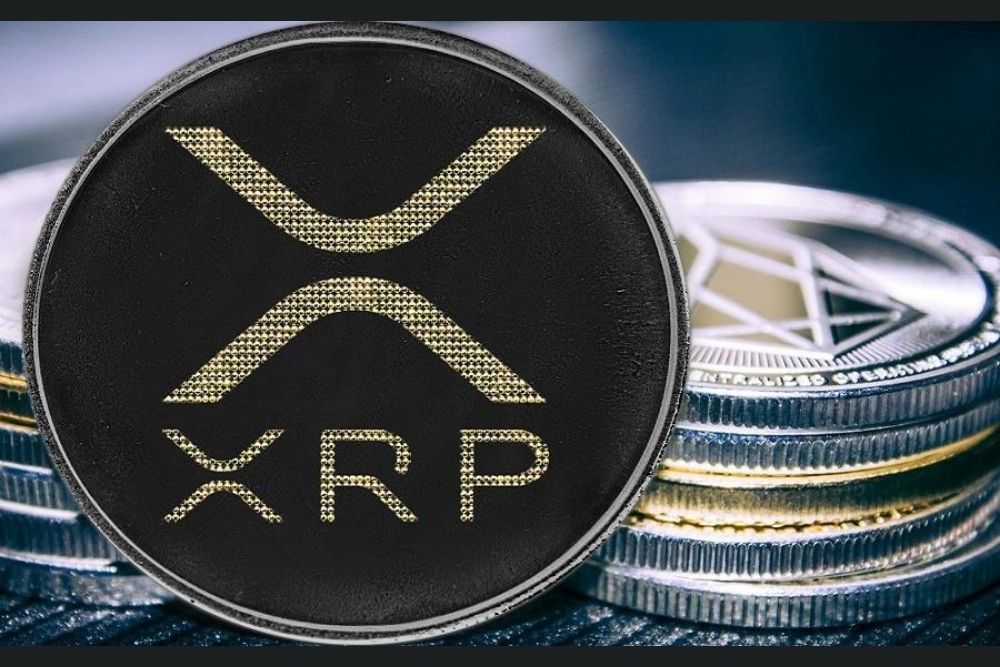
Cryptocurrency markets rarely move in lockstep. In early February 2026, XRP stood out, falling more sharply than almost every other major digital asset. Sudden drops of this magnitude often spark confusion and fear, leaving traders scrambling for answers. While macro forces weigh on all cryptocurrencies, XRP’s unique role in the financial ecosystem has made it particularly sensitive to pressure.
Vincent Van Code, a prominent crypto analyst, addressed this phenomenon in a post on X, explaining that XRP’s volatility is not random. According to him, the token’s rapid declines reflect structural competition, institutional strategies, and the influence of whales who have a vested interest in maintaining Bitcoin and Ethereum’s dominance. XRP’s growth threatens established positions, and this dynamic helps explain why it has been under extraordinary pressure.
XRP’s Strategic Role in the Market
XRP occupies a unique niche in cryptocurrency. Unlike most altcoins, it focuses on improving cross-border payments and challenging inefficiencies in the traditional financial system.
"Why is XRP dumping harder than all other crypto?"
Cos that is the main game they are tearing down.
Sadly, the biggest threat to BTC and ETH is XRP, and the big whales and Binance know it.
Make no mistake, CZ and other big whales have a key interest in BTC, it's worth billions…
— Vincent Van Code (@vincent_vancode) February 5, 2026
As XRP adoption grows, it begins to chip away at the market share and influence that legacy assets like Bitcoin and Ethereum have long enjoyed. Vincent Van Code notes that this competitive threat contributes to heightened scrutiny and pressure from major market participants.
Whale Influence and Exchange Dynamics
Large holders—commonly known as whales—amplify XRP’s price swings. Exchanges such as Binance act as focal points for liquidity, and movements by these major stakeholders can trigger rapid market reactions.
Vincent Van Code points out that while whales maintain strong positions in Bitcoin and Ethereum, XRP’s steady growth creates friction. Their strategic selling, rebalancing, and leveraged positioning intensify downward pressure, making XRP more prone to sharp dumps compared to other digital assets.
We are on X, follow us to connect with us :- @TimesTabloid1
— TimesTabloid (@TimesTabloid1) June 15, 2025
Structural Volatility Factors
XRP’s liquidity profile and concentration of holdings further amplify its sensitivity. With a smaller circulating supply relative to trading volume, even moderate selling can produce outsized price moves. Combined with speculative trading and short-term sentiment shifts, these structural factors create a feedback loop that magnifies losses during periods of market stress.
Long-Term Outlook
Despite short-term volatility, XRP’s fundamentals remain robust. Its cross-border utility, ongoing institutional adoption, and regulatory clarity position the token for sustainable growth over time. Vincent Van Code emphasizes that while XRP experiences sharper corrections today, its strategic role ensures it will remain a disruptive force in the evolving multi-chain ecosystem.
In conclusion, XRP’s heavier dumps reflect competitive pressures, structural market dynamics, and strategic positioning rather than inherent weakness. For investors, understanding these forces offers perspective, turning short-term volatility into insight for long-term opportunity.
Disclaimer: This content is meant to inform and should not be considered financial advice. The views expressed in this article may include the author’s personal opinions and do not represent Times Tabloid’s opinion. Readers are urged to do in-depth research before making any investment decisions. Any action taken by the reader is strictly at their own risk. Times Tabloid is not responsible for any financial losses.
Follow us on Twitter, Facebook, Telegram, and Google News

