

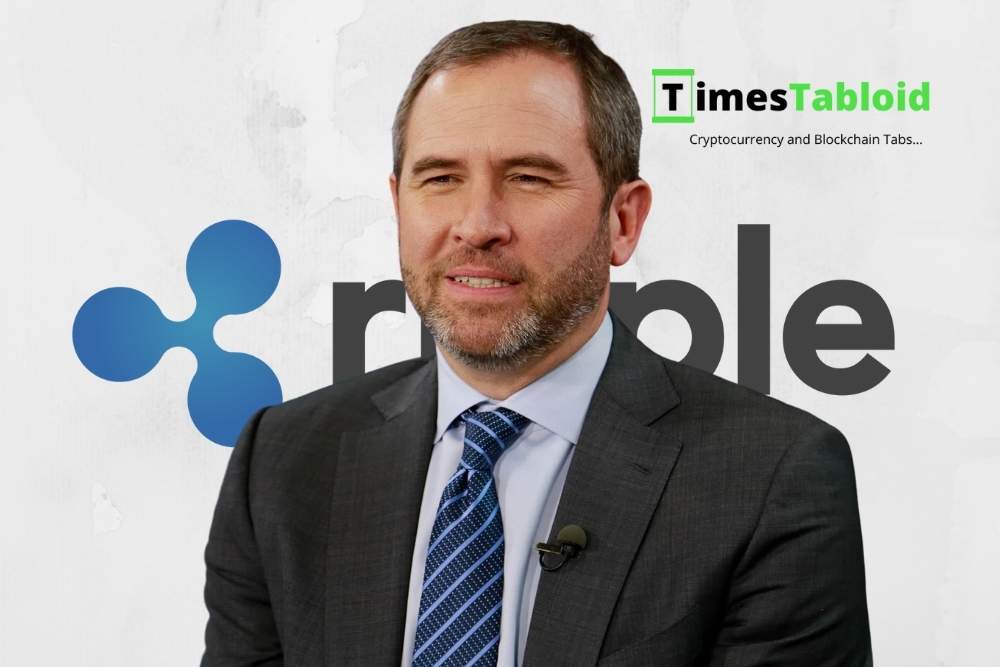
Crypto pundit Xaif (@Xaif_Crypto) recently highlighted comments by Ripple CEO Brad Garlinghouse during an appearance on CNBC.
Garlinghouse addressed one of the most debated strategies in the industry. His conclusion was clear: utility, not financial engineering, drives long-term value in digital assets.
The comments arrive at a moment when the crypto market is navigating significant pressure. Garlinghouse did not shy away from identifying where he believes the stress originated.
@bgarlinghouse just went on @CNBC and said what nobody in Bitcoin wanted to hear 👀@Strategy 's "financial engineering" buying model? He called it unsustainable and said it's actively hurting the market
Utility wins long-term. Every time. $XRP $BTC pic.twitter.com/R672Em8AGt
— Xaif Crypto (@Xaif_Crypto) June 27, 2026
Garlinghouse on Strategy’s Leverage
Garlinghouse addressed Strategy’s (formerly MicroStrategy) Bitcoin acquisition model directly. He acknowledged the excitement it generated on the way up, then noted that the same dynamic is “compounding on the way down.” He described the approach as leverage, regardless of how Michael Saylor characterizes it.
The numbers support his concern. A Strategy instrument that once traded at par is now sitting approximately 25% below it. Garlinghouse called that “a pretty damning indictment” and stated plainly that it has hurt the overall market.
His position on Bitcoin itself remains constructive. He described himself as bullish and cited the Warren Buffett principle of being greedy when others are fearful. His criticism targets the Bitcoin acquisition strategy, not the asset itself.
Utility as the Foundation
This is where Garlinghouse’s argument carries weight for XRP holders and the Ripple ecosystem. He stated that he said on CNBC years ago that “the long-term value of any digital asset is going to be driven by utility.” He is not revising that view, but now reinforcing it.
His reasoning is grounded in fundamentals. An asset solving a real problem at scale generates liquidity, demand, and trust. Those factors build on each other over time. Leverage, by contrast, introduces fragility.
We are on X, follow us to connect with us :- @TimesTabloid1
— TimesTabloid (@TimesTabloid1) June 15, 2025
XRP and the Payments Use Case
Garlinghouse positioned XRP within this framework through concrete business results. He described XRP as Ripple’s core technology asset, built around payments and the speed and efficiency of its blockchain for institutional use.
He noted that Ripple cleared $16 trillion in payments and prime brokerage activity last year, partly through acquisitions. However, close to 0% of that volume moved through a digital asset.
Garlinghouse sees that gap as an opportunity. Ripple’s stated strategy is to bring traditional finance into blockchain infrastructure, and those acquisitions give the company a direct path to achieve that.
The Takeaway
Xaif’s post captures the core argument well. Garlinghouse is not making a speculative case for XRP. He is making a structural one. Assets with real utility, institutional demand, and infrastructure behind them are positioned to hold value through market cycles. As he stated, “Utility wins long-term. Every time.”
Disclaimer: This content is meant to inform and should not be considered financial advice. The views expressed in this article may include the author’s personal opinions and do not represent Times Tabloid’s opinion. Readers are advised to conduct thorough research before making any investment decisions. Any action taken by the reader is strictly at their own risk. Times Tabloid is not responsible for any financial losses.
Follow us on X, Facebook, Telegram, and Google News

