

Major crypto narratives often begin far outside the digital asset market. Oil routes, military tensions, and international trade agreements can influence investor sentiment faster than any token announcement. When geopolitical flashpoints affect global commerce, XRP frequently enters the conversation because of its long-standing association with cross-border payments and financial settlement.
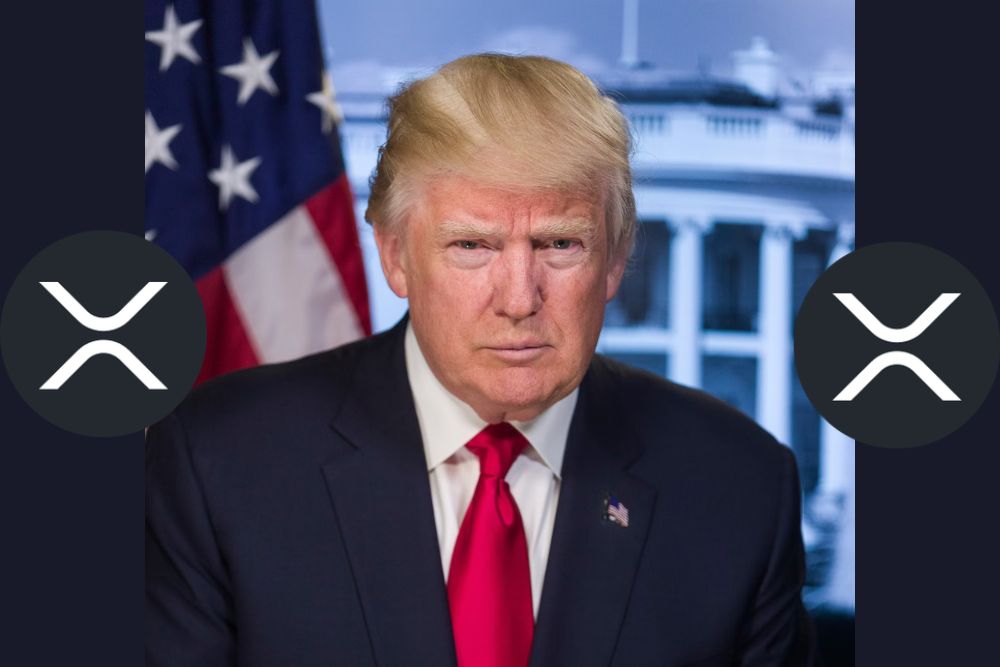
Crypto analyst Levi Rietveld recently tied that macro theme to XRP after reacting to U.S. President Donald Trump and his April 17 statement about Iran and the Strait of Hormuz. Trump said Iran had agreed not to close the strategic waterway again, describing it as a major step for global stability. Rietveld presented the development as a significant bullish signal for XRP, arguing that smoother international trade and reduced payment friction strengthen the long-term case for utility-driven assets like XRP.
Trump’s Strait of Hormuz Statement
Trump posted that Iran had agreed not to use the Strait of Hormuz as leverage against global commerce, saying the route would remain open for international shipping. The Strait of Hormuz is one of the world’s most critical trade corridors, handling a major share of global oil shipments and serving as a vital artery for international supply chains.
Any disruption in that region quickly affects shipping costs, inflation expectations, and settlement flows across financial markets. Trump’s comments came amid broader ceasefire discussions and rising attention around U.S.-Iran tensions in the Gulf region.
TRUMP JUST DROPPED A MAJOR $XRP BOMBSHELL LIVE!!!! pic.twitter.com/HawOqWFo7T
— Levi | Crypto Crusaders (@LeviRietveld) April 17, 2026
Although the waterway reopened, U.S. naval restrictions tied to Iranian port activity remained in place while broader negotiations continued.
Why XRP Investors Care
Trump did not mention XRP directly, but many investors quickly connected the development to the asset’s role in cross-border liquidity and payment infrastructure.
XRP supporters often argue that global trade efficiency directly increases demand for faster settlement systems. When international commerce flows smoothly, institutions need reliable and low-cost ways to move value across borders. That narrative places XRP at the center of many discussions involving trade modernization and payment reform.
Rietveld emphasized that macroeconomic stability and uninterrupted trade routes support the long-term utility case for XRP, especially as financial institutions continue exploring blockchain-based settlement systems.
We are on X, follow us to connect with us :- @TimesTabloid1
— TimesTabloid (@TimesTabloid1) June 15, 2025
Separating Market Interpretation From Reality
Despite the strong online reaction, it is important to separate speculation from confirmed facts. Trump’s statement focused entirely on the Strait of Hormuz, geopolitical stability, and trade security. He did not reference Ripple, XRP, or any blockchain payment network.
The XRP connection comes from community interpretation rather than direct policy action. Crypto commentators often link geopolitical developments to digital assets when those events influence trade, liquidity, or monetary systems.
That perspective can shape market sentiment, but it should not be confused with formal adoption or government endorsement.
The Bigger Picture
Rietveld’s post reflects a broader shift in how many investors view XRP. The asset is no longer discussed only through price charts or exchange activity. It is increasingly framed through the lens of global finance, payment infrastructure, and geopolitical stability.
That is why even a presidential statement about oil shipping routes can quickly become part of the XRP conversation. For believers, the future of XRP depends as much on world trade as it does on crypto markets.
Disclaimer: This content is meant to inform and should not be considered financial advice. The views expressed in this article may include the author’s personal opinions and do not represent Times Tabloid’s opinion. Readers are urged to do in-depth research before making any investment decisions. Any action taken by the reader is strictly at their own risk. Times Tabloid is not responsible for any financial losses.
Follow us on Twitter, Facebook, Telegram, and Google News

